
The Pros And Cons Of Buying Off-The-Plan
Better Loan Solutions in Mornington Peninsula • Learning Centre • Insights
Better Loan Solutions in Mornington Peninsula • Learning Centre • Insights
Buying properties off-the-plan has become a popular way for home buyers and investors to purchase property.
However, when buying a property that is yet to be built, there are some important considerations to think about before
signing a contract.
Here are some pros and cons to consider before buying off-the-plan.
With our in-house mortgage broking division we bridge the gap between the countless phone calls and
emails between lender and accountant making your refinancing and borrowing much less stressful.
Pros
Cons
Be sure to seek professional advice from a mortgage broker so you know
what you're signing and what the implications are.
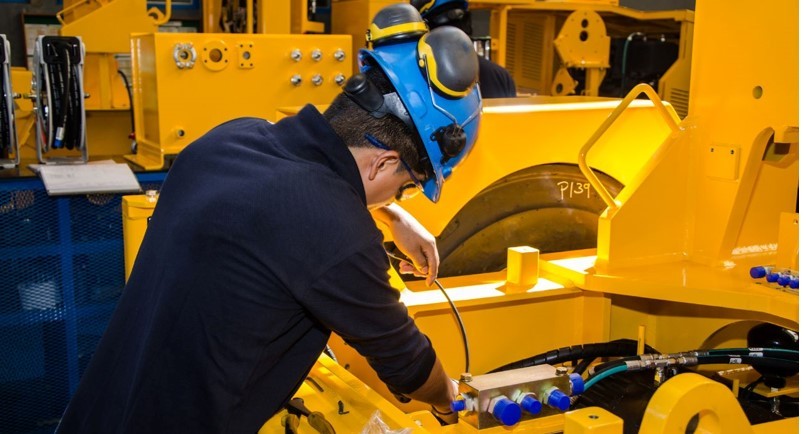
Sale and leaseback is often effective with assets that have a clear, assessable market value and a reasonable remaining useful life.

A number of projects with development approval are now contingent on tenant commitments before construction begins, a shift likely to push delivery timelines into 2028 and beyond.

Darwin has become Australia's standout property market, recording house price growth of around 16 per cent and unit price growth of around 13 per cent

The start of a new financial year is an ideal moment to review your existing equipment finance commitments.
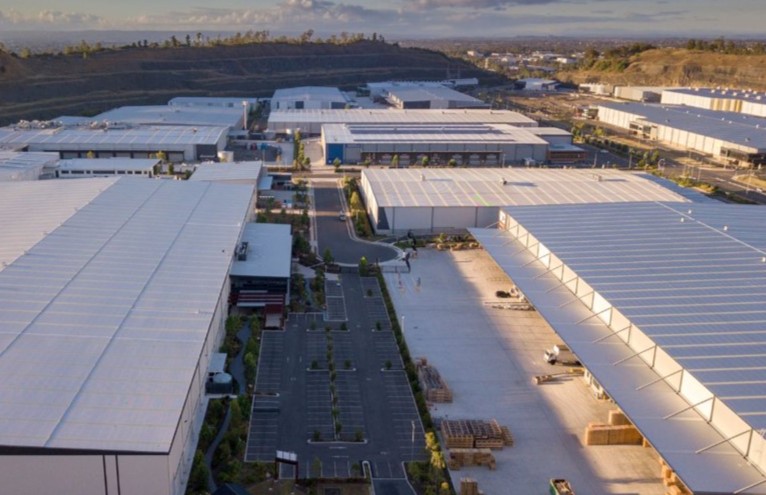
Industrial property maintained its position as the market's safest option, with gross yields holding relatively stable over the quarter following modest compression across most major cities.

The auction environment is deliberately designed to create competition and momentum. Bidding can move quickly, and it is easy to get caught up in the heat of the moment.

Retail property has emerged as the standout performer in Australia's commercial property sector, with approximately $13 billion.

Understanding this before you apply helps set realistic expectations and makes it easier to compare what different lenders are offering you rather than what they advertise.

Financing an older vehicle is a common goal, but it comes with a set of challenges that do not apply in the same way to newer cars.